
"volcanic highland"
2000 article(s) found

Basic knowledge of coffee beans (2)
There is a noun called "Coffee Belt". There are more than 60 coffee producing countries in the world, most of which are located in the tropics and subtropics between the Tropic of Cancer (23 °26 'north and south).

Description of Coffee Flavor of Incht Manor in Guatemala introduction to the grinding degree of varieties in producing areas
1. Acatenango Valley: the Acatenango Valley is 2000 meters (6500 feet) above sea level, with dense shade and unique ecology. Nearby Fuego volcanoes continue to erupt, making its coarse, sandy soil rich in a variety of minerals. Temperate sea breezes from the Pacific and a seasonal climate make this production.

The flavor of Vivette Nan Fruit Coffee description of Vivette Nan Fruit in Guatemala
Professional coffee knowledge exchange more coffee bean information please follow the coffee workshop (Wechat official account cafe_style) front street-Guatemala Vivette Nanguo introduction Vivette Nango Highland in Guatemala's three major non-volcanic coffee producing areas, the micro special fruit highland is the driest climate, the highest altitude area, the dry hot wind from Mexico's Tehuantepec plateau to protect the area

Does Starbucks Papua New Guinea Highland Coffee taste good? What are the coffee beans selected by Starbucks
Professional coffee knowledge exchange more coffee bean information please follow the coffee workshop (Wechat official account cafe_style) STARBUCKS SINGLE ORIGIN SERIES PAPUA NEW GUINEA HIGHLANDS flavor description: Papua New Guinea's fertile volcanic soil, mild tropical climate and altitude, such a local geographical environment brings the flavor, create a

Guatemalan Coffee about the producing areas and characteristics of Guatemalan coffee beans
Professional coffee knowledge exchange more coffee bean information please follow the coffee workshop (Wechat official account cafe_style) Guatemala has seven major coffee producing areas Guatemala produces coffee beans are all Arabica, are located in the subtropical climate of the highland topography, rich and stable rainfall, fertile volcanic ash soil, so that all parts of the country have a very suitable natural environment for coffee cultivation
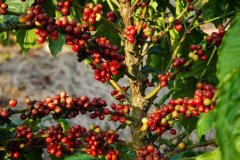
Important conditions of Coffee cultivation
There is a noun called "coffee belt". There are more than 60 coffee producing countries in the world, most of which are located in the tropics and subtropics between the Tropic of Cancer (23 °26 'north and south). This coffee growing area is called "coffee belt (Coffee Belt)" or "coffee area (Coffee Zone)".

Which are the eight producing areas of Guatemalan coffee in Guatemala?
For the exchange of professional baristas, please pay attention to the coffee workshop (Wechat official account cafe_style). The latitude of Guatemala is about 15 degrees, because of the long mountains and great regional climate changes, which have created the eight major coffee producing areas of the country, all located on the highland topography under the subtropical climate, rich and stable rainfall, excellent environment for fertile volcanic ash soil, and the coffee they produce.

Introduction to Incht Manor in Guatemala Coffee Manor
Rich volcanic soil, low humidity, plenty of sunshine and cool nights are the characteristics of this producing area. The valley is surrounded by three volcanoes: Agua, Fuego and Acatenango. Volcanic ash from the eruption makes the soil of Antigua rich in minerals. Volcanic pumice can maintain humidity and overcome the rainfall in Antigua.

Planting coffee trees requires the weather, climate and soil quality of the province.
1. Arabica coffee is not resistant to high temperature and humid climate, nor can it stay at a low temperature below 5 ℃ for a long time, so it is mostly planted on steep slopes at elevations of 1000 to 2000 meters above sea level. On the other hand, Robusta caffeine is adaptable (Robusta means tenacious) and is mostly grown in lowlands below 1000 meters above sea level. The average rainfall for the whole year is in

Vivette South Fruit Highland Guatemala boutique coffee beans
Of the three major non-volcanic coffee-producing regions in Guatemala, the Weitango Highland has the driest climate and the highest elevation. The dry and hot wind from Mexico's Tehuantepec plateau protects the area's coffee from frost and can be grown to 2000 meters (6500 feet). Because of its remote location, all coffee farmers have to process their own coffee.

Cultivation conditions of coffee "coffee belt" (Coffee Belt)
There is a noun called Coffee Belt. There are more than 60 coffee producing countries in the world, most of which are located in the tropics and subtropics between the Tropic of Cancer (latitude 2326). This coffee growing area is called a coffee belt or coffee area (Coffee Zone). The annual average temperature of the coffee belt is above 20 ℃, because the coffee tree is a tropical plant, and if the temperature is below 20 ℃,
Fine Coffee producing areas of Guatemala Coffee characteristics Jane
Mr. Eduardo Ambrocio of the Guatemalan Coffee Company introduced Guatemalan coffee to the audience at the SCAA Houston show in April 2010. Thanks to Ambrocio for giving samples of coffee from eight major producing areas in Guatemala. Eight major coffee producing areas in Guatemala. Acatenango Valley: Acatenango Valley is high above sea level
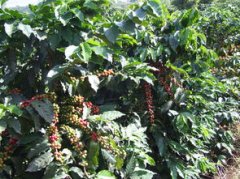
Coffee knowledge what conditions are needed for coffee cultivation
There is a noun called Coffee Belt. There are more than 60 coffee producing countries in the world, most of which are located in the tropics and subtropics between the Tropic of Cancer (latitude 2326). This coffee growing area is called a coffee belt or coffee area (Coffee Zone). The annual average temperature of the coffee belt is above 20 ℃, because the coffee tree is a tropical plant, and if the temperature is below 20 ℃,

Guatemala coffee beans have superior geographical location and taste characteristics.
Follow the caf é (Wechat official account vdailycom) found that the beautiful cafe opened a small shop of its own, the Vivette Nanguo Heights has warm and humid Caribbean air from the Central Mountains, the cloud is shrouded in clouds, and the climate is changeable; the land is a volcanic area, which cultivates fertile volcanic soil; coupled with the fact that it is located on the edge of plate activity, the severe alpine basin topography is so changeable.

Get to know the Coffee from six Central American countries: a detailed introduction to Guatemala Coffee beans
The temperature of Guardiola is about 15 degrees. Because of the long mountains and the great climatic changes in the region, Guardiola has created eight major coffee producing areas in the country, all located on the highland topography under tropical weather. The rainfall is stable, the fertile volcanic ash soil is in a good environment, and the coffee beans produced are all Arabica, each with different flavor and characteristics, and the first-class sour taste and fruit.
Important conditions for planting Coffee of Fine Coffee
There is a noun called coffee belt. There are more than 60 coffee producing countries in the world, most of which are located in the tropics and subtropics between the Tropic of Cancer (latitude 2326). This coffee growing area is called coffee belt (Coffee Belt) or coffee area (Coffee Zone). The annual average temperature of the coffee belt is above 20 ℃, because the coffee tree is a tropical plant, if the temperature is below 20 ℃.
Important conditions for the cultivation of Fine Coffee
There is a noun called coffee belt. There are more than 60 coffee producing countries in the world, most of which are located in the tropics and subtropics between the Tropic of Cancer (latitude 2326). This coffee growing area is called coffee belt (Coffee Belt) or coffee area (Coffee Zone). The annual average temperature of the coffee belt is above 20 ℃, because the coffee tree is a tropical plant, if the temperature is below 20 ℃.

An introduction to Guatemalan Coffee-- Guatemalan Coffee from Mini Tenanguo Highland Coffee
Of the three major non-volcanic coffee-producing regions in Guatemala, the Weitango Highland has the driest climate and the highest elevation. The dry and hot wind from Mexico's Tehuantepec plateau protects the area's coffee from frost and can be grown to 2000 meters (6500 feet). Because of its remote location, all coffee farmers have to process their own coffee.
Coffee beans and Coffee production area of Mini Nanguo Highland Manor in Guatemala
Of the three major non-volcanic coffee-producing regions in Guatemala, the Weitango Highland has the driest climate and the highest elevation. The dry and hot wind from Mexico's Tehuantepec plateau protects the area's coffee from frost and can be grown to 2000 meters (6500 feet). Because of its remote location, all coffee farmers have to process their own coffee.

Starbucks Papua Coffee Bean Story introduction Papua New Guinea Highland Coffee classroom sharing
For more information about coffee beans, please follow the Coffee Workshop (official Wechat account cafe_style) Flavor description: Papua New Guinea's fertile volcanic soil, mild tropical climate and altitude, the flavor brought by such a local geographical environment, create a distinct herbal flavor, as well as fruit juicy acidity and sweetness of the perfect match. Suitable